

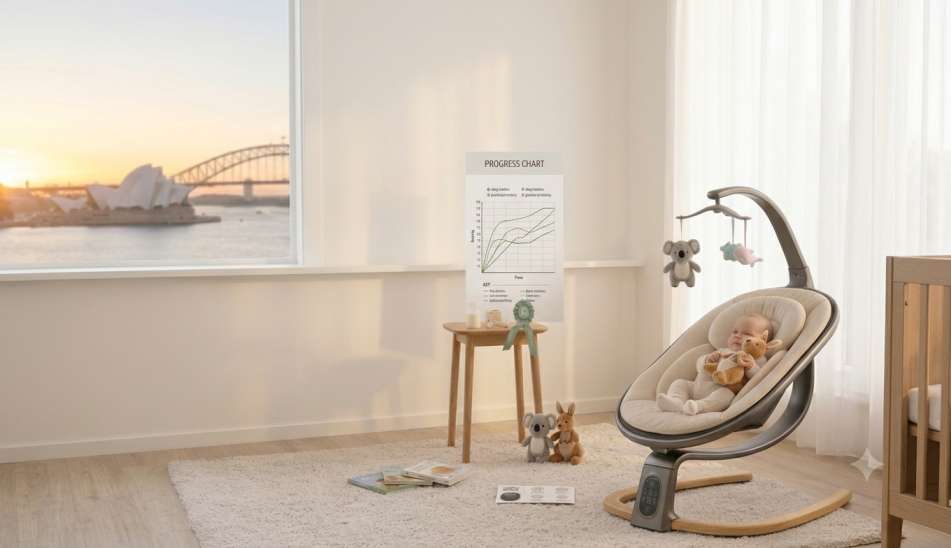
Is a Baby Rocking Chair Safe for Newborns? Safety Tips Every Parent Should Know
Welcoming a newborn into the family brings happiness, excitement and plenty of new responsibilities. Parents want to create a comfortable and safe environment where their little one can rest, relax and enjoy their early months. From choosing the right sleeping space to selecting feeding accessories and baby furniture, every purchase requires careful consideration.
One product that often attracts the attention of new parents is a baby rocking chair. Its gentle rocking movement can help soothe a baby, provide a comfortable place for supervised interaction and make certain daily parenting activities more convenient. However, many parents wonder whether rocking chairs are actually safe for newborns and whether babies can sleep in them.
The answer depends on the type of rocking chair, how it is designed and, most importantly, how it is used. Although some baby rocking products can be useful for short periods of supervised activity, they are not substitutes for a safe, flat and firm sleeping surface.
If you are considering purchasing a baby rocking chair, understanding its safety features and limitations is essential. In this guide, we will explain the potential benefits, important safety precautions, newborn suitability and practical tips every parent should know before introducing a rocking chair into their baby’s routine.
1. What Is a Baby Rocking Chair?
A baby rocking chair is a specially designed product that allows a baby to experience gentle rocking or movement while resting in a supported position. Depending on the model, the movement may be created manually by a parent, through a curved frame or by a powered mechanism.
These products are available in different styles, including traditional baby rockers, infant bouncers, automatic rocking seats and multi-functional baby soothing chairs.
Although they may look similar, not all rocking products serve the same purpose. Some are designed for gentle supervised play, while others provide a stationary place for a baby to relax when awake.
Understanding the differences is important before choosing a product for your newborn.
Different Types of Baby Rocking Chairs
- Traditional Baby Rocking Chairs
Traditional rocking chairs generally feature a curved base that allows the seat to move gently backwards and forwards. Depending on the design, they may be manually operated by a parent or caregiver.
- Baby Rockers
Baby rockers usually feature a supported seat attached to a rocking frame. Some models allow gentle movement when the baby moves, while others can be rocked manually.
- Automatic Baby Rocking Chairs
Automatic rockers use a motorised mechanism to produce movement. Some offer different rocking speeds, vibration settings, music or other soothing features.
Parents should follow the manufacturer’s instructions and never assume that automatic movement makes a product suitable for unsupervised use or sleep.
- Baby Bouncers
Baby bouncers generally move in response to a baby’s natural body movements or gentle movement from a caregiver. They usually have a reclined seating position and are intended for supervised periods when the baby is awake.
- Multi-Functional Baby Seats
Some products combine rocking, reclining and other soothing functions. Although these designs can be convenient, parents should check the safety instructions for every available position and function.
A product’s appearance or marketing description should never be used as the only indication of whether it is appropriate for a newborn.
2. Is a Baby Rocking Chair Safe for Newborns?
A baby rocking chair can be suitable for certain supervised activities when the specific product is designed and approved for newborn use and the manufacturer’s age, weight and positioning instructions are followed.
However, there is an important distinction between using a rocking chair for supervised awake time and using it as a sleeping space.
Important safety rule
A baby rocking chair, bouncer or inclined seat should not be used as a routine sleeping surface for a newborn.
Newborns should sleep on their backs on a firm, flat and level surface in a safe cot, bassinet or other approved infant sleeping environment.
Rocking chairs and inclined baby seats can position a baby’s head and body in a way that may increase the risk of positional asphyxia. This is particularly important because newborns have limited head and neck control and may not be able to reposition themselves if their airway becomes compromised.
Even if a baby appears comfortable or falls asleep quickly in a rocking chair, parents should transfer them to a suitable safe sleeping space.
When Can a Newborn Use a Baby Rocking Chair?
Whether a newborn can use a particular rocking chair depends on the product’s design and instructions.
Before introducing one, check:
- Whether the product is specifically approved for newborn use.
- The minimum age and weight requirements.
- Whether the seat provides suitable support for a newborn.
- Whether the recline position is appropriate for the baby’s developmental stage.
- Whether the harness fits securely.
- Whether the product meets applicable Australian safety requirements.
Some products are designed for babies from birth, while others are only suitable once babies reach a particular age or developmental milestone.
Never use an older baby’s rocker or bouncer for a newborn unless the manufacturer explicitly permits it.
3. Why Are Baby Rocking Chairs Popular Among Parents?
Despite the safety precautions, baby rocking chairs remain popular because they can provide convenience during certain everyday parenting activities.
When selected carefully and used correctly, a suitable rocker can become a useful addition to a baby’s supervised play area.
Let’s look at some reasons parents consider purchasing one.
Gentle Movement Can Help Soothe Babies
Newborns are adjusting to a completely different environment after spending months in the womb. Gentle movement, familiar voices and physical comfort may help some babies settle when they are awake.
A baby rocking chair provides controlled movement that parents can use during supervised soothing time.
However, every baby responds differently. Some babies enjoy gentle rocking, while others may prefer being held or settled through different comforting routines.
Parents should never increase the rocking speed or leave a baby unattended to achieve a soothing effect.
Provides a Convenient Place for Supervised Awake Time
Parents sometimes need a safe, temporary place to position their baby while completing simple activities nearby.
A suitable rocker can provide a designated space for short periods of supervised awake time, provided the product is appropriate for the baby’s age and development.
For example, parents may use it while talking to their baby, singing or encouraging gentle interaction.
It should never replace a cot, bassinet or supervised floor-based play.
Encourages Parent-Baby Interaction
A baby rocker can create opportunities for parents to interact with their little one while maintaining eye contact.
Parents can talk, sing, smile and introduce age-appropriate visual activities while the baby remains awake and supervised.
These simple interactions help create opportunities for bonding and communication.
Offers Practical Convenience
Some baby rocking chairs feature adjustable positions, removable covers and compact frames.
These design elements can make the product easier to use and maintain.
However, convenience should never take priority over safety. A product with several functions is only useful when each function is appropriate for the baby’s age and intended activity.
4. Understanding the Safety Risks of Baby Rocking Chairs
Before purchasing a baby rocking chair, parents should understand the potential risks associated with incorrect use.
The most important concern is that babies may fall asleep in an inclined position, even when the product is being used for a different purpose.
Risk of Positional Asphyxia
Positional asphyxia occurs when a person’s body position interferes with normal breathing.
Newborn babies have developing head and neck control. When placed in an inclined seat, their heads may fall forward, causing the chin to move towards the chest.
This position can narrow or obstruct the airway and make breathing difficult.
The risk is particularly concerning when a baby is sleeping or cannot reposition their head independently.
This is why organisations such as Red Nose Australia recommend that babies sleep on their backs on firm, flat and level surfaces rather than in rockers, bouncers or swings.
Red Nose Australia+2
Risk of Falling
A baby may move, kick or shift their weight while sitting in a rocking chair.
If the product is placed on a table, kitchen bench, bed or another elevated surface, it may fall and cause serious injuries.
Even a product with a non-slip base should always be used on the floor according to the manufacturer’s instructions.
Risk of Rolling or Slipping
As babies grow, they gradually develop new movement skills.
Some babies begin rolling or shifting their bodies earlier than parents expect. This can make previously suitable seating arrangements unsafe.
A baby may move towards the side of the seat, become trapped or change position in a way that affects breathing.
Parents should stop using the rocker as soon as the manufacturer specifies, including when the baby reaches the relevant rolling or developmental milestone.
Risk of Entrapment
Poorly designed, damaged or incorrectly assembled products may have openings where a baby’s fingers, arms or legs can become trapped.
Loose components, damaged straps and broken locking mechanisms can also create hazards.
Inspect the product regularly and stop using it if any component becomes damaged.
Risk of Strangulation
Rocking chairs should be positioned away from potential strangulation hazards.
Blind cords, curtain strings, electrical cables and hanging accessories should never be within the baby’s reach.
Keep the entire play area clear and avoid attaching unapproved toys or decorations to the product.
Risk of Overheating
Some baby rocking chairs include thick padding, soft covers and additional cushioning.
Although these materials may appear comfortable, excessive padding can contribute to overheating and may create additional breathing hazards.
Dress your baby appropriately for the room temperature and avoid adding blankets, pillows or loose fabrics to the rocker.
5. Important Safety Tips Every Parent Should Follow
Using a baby rocking chair safely requires more than choosing a suitable product. Parents must also follow correct positioning, supervision and maintenance practices.
Here are essential safety precautions to remember.
1. Always Supervise Your Baby
Never leave your newborn unattended in a rocking chair, even for a short period.
Stay close enough to observe your baby’s position, breathing and movements.
Supervision is particularly important because newborns cannot reliably reposition themselves if their head moves into an uncomfortable or unsafe position.
Avoid using a rocker as a temporary babysitter while you leave the room to complete household activities.
2. Never Allow Your Baby to Sleep in a Rocking Chair
This is one of the most important safety rules.
A rocking chair is not designed to provide a safe sleeping environment unless it is specifically classified and compliant as an infant sleep product. Ordinary rockers and inclined seats are not suitable for infant sleep.
If your newborn falls asleep in a rocker:
- Stop using the rocking movement.
- Gently and promptly move your baby.
- Place them on their back in an appropriate cot or bassinet.
- Make sure the mattress is firm, flat and level.
- Keep the baby’s head and face uncovered.
Do not assume that a slow rocking motion, safety harness or comfortable cushion makes sleeping in the chair safe.
The Australian Competition and Consumer Commission (ACCC) specifically advises parents not to let babies sleep in bouncers, rockers or swings.
ACCC Product Safety+2
3. Always Use the Safety Harness
A safety harness helps keep your baby positioned within the seat.
If the product includes a harness, use it every time according to the manufacturer’s instructions.
Check that the straps fit securely without being excessively tight. Ensure that buckles are properly fastened and that the harness is not twisted.
Never remove or modify the harness to make the seat more comfortable.
4. Place the Rocker on a Flat Floor
Always position your baby’s rocker on a stable, level floor.
Never place it on:
- Tables or kitchen benches.
- Beds or sofas.
- Raised platforms.
- Uneven or sloping surfaces.
- Staircases or areas close to steps.
A flat floor reduces the risk of the product tipping or falling.
5. Follow the Manufacturer’s Age and Weight Limits
Every baby rocking chair has specific instructions regarding age, weight and developmental suitability.
Some products are designed for newborns, while others are suitable only for older babies.
Read the product label and instructions carefully before use.
Do not continue using the chair simply because your baby still appears comfortable in it. Stop when the baby reaches the stated weight limit or relevant developmental milestone.
6. Keep the Baby’s Face Visible
Always position your baby so that their face remains visible.
Check that their head is not falling forward, their chin is not pressed against their chest and their nose and mouth are unobstructed.
Avoid placing toys, blankets or soft accessories around the baby’s head.
If your baby’s breathing, colour or responsiveness seems unusual, remove them from the product and seek urgent medical assistance. Call Triple Zero (000) if you believe your baby is experiencing a medical emergency.
7. Keep the Rocker Away From Hazards
Choose a location away from electrical cords, heaters, fireplaces, kitchen appliances and window coverings.
Also keep pets and other household hazards away from the baby’s play area.
A clean, uncluttered space makes it easier to supervise your newborn.
8. Avoid Adding Extra Cushions and Pillows
Parents sometimes add cushions or soft blankets because they believe these accessories will make the chair more comfortable.
However, additional padding can change the baby’s position and create a risk of airway obstruction.
Use only the components supplied or specifically approved by the manufacturer.
Do not use head positioners, aftermarket inserts, pillows or loose blankets unless explicitly permitted by the product’s instructions and safe for the intended use.
9. Check the Rocking Mechanism Regularly
Before placing your baby in the chair, check that the frame, base and rocking mechanism are working correctly.
Look for loose screws, cracks, damaged joints and unusual movement.
If the rocker makes unexpected noises or appears unstable, stop using it until it has been properly inspected or repaired.
10. Stop Using the Product at the Right Time
A baby’s development can change quickly during the first year.
Rolling, sitting, pushing up and increased body movement can affect whether a rocker remains suitable.
Follow the manufacturer’s stop-use instructions, including any rolling or developmental milestone specified for the product.
Do not wait until your baby reaches the maximum weight limit if they have already outgrown the product’s intended use.
6. What Features Should You Look for When Buying a Baby Rocking Chair?
Not all baby rocking chairs are designed in the same way. Parents should compare important safety and usability features before choosing a product.
Here are some considerations that can help you make a more informed purchase.
Stable and Sturdy Frame
A stable frame is essential for supporting the baby’s weight and maintaining the product’s intended position.
Look for a well-constructed design with secure joints and a sturdy base.
Check that the rocker does not wobble excessively and that all components fit together correctly.
Appropriate Newborn Support
If you intend to use a rocker with a newborn, check whether the manufacturer explicitly allows use from birth.
The seat should provide the support specified by the manufacturer for the baby’s developmental stage.
However, remember that additional head support or padding should never be improvised.
Secure Harness System
A well-designed harness should be easy for parents to operate while remaining secure during use.
Look for adjustable straps, reliable buckles and clear instructions.
A harness helps prevent falls, but it does not make the product suitable for sleeping.
Non-Slip Base
A non-slip base can help the rocker remain stable on an appropriate floor surface.
Check the condition of the base regularly and ensure that the product is used only on the surfaces recommended by the manufacturer.
Easy-to-Clean Fabric
Baby products can become dirty through everyday use.
Removable covers and washable fabric components can make cleaning more convenient.
Check whether the fabric is machine washable or requires handwashing, and always follow the manufacturer’s instructions.
Simple and Safe Controls
If you are considering an automatic rocking chair, examine its controls carefully.
The speed settings should be clearly labelled, and the product should have a reliable power system and appropriate electrical safety information.
Never leave a baby unattended simply because the chair operates automatically.
Clear Product Instructions and Warnings
A reliable product should provide understandable instructions covering:
- Assembly and adjustment.
- Newborn suitability.
- Maximum weight capacity.
- Correct harness positioning.
- Supervision requirements.
- Cleaning and maintenance.
- Developmental stop-use milestones.
- Warnings about sleeping in the product.
Clear instructions help parents understand both the intended benefits and the limitations of the chair.
7. Understanding Australian Baby Product Safety Requirements in 2026
When purchasing baby equipment in Australia, parents should pay attention to product safety information and applicable mandatory requirements.
The ACCC introduced new mandatory information requirements for inclined non-sleep products, including baby rockers, bouncers and swings, from 19 January 2026.
These requirements aim to make important safety warnings more visible and help consumers understand the risks associated with using inclined products for infant sleep.
ACCC Product Safety+1
Here are some important things to check before purchasing a baby rocking chair.
Check the Product’s Intended Purpose
A product designed for supervised play should not be marketed or treated as a sleeping space.
Read the manufacturer’s description carefully and understand whether the product is classified as an inclined non-sleep product or an infant sleep product.
If a product claims to be suitable for infant sleep, check that it meets the applicable Australian mandatory requirements for infant sleep products.
Look for Clear Safety Warnings
Product information should clearly explain the risks and limitations of use.
Check for warnings about:
- Never leaving the baby unattended.
- Not allowing the baby to sleep in the product.
- Using the correct harness.
- Placing the product on a flat floor.
- Following age and weight restrictions.
- Stopping use when the baby reaches specified developmental milestones.
Check Product Recalls
Before purchasing, particularly when buying second-hand, check whether the product has been recalled.
You can visit the Product Safety Australia website to search for product recalls and safety information.
Be Careful When Buying Second-Hand Rockers
A second-hand rocker may appear to be in excellent condition but could have hidden damage.
Before considering a used product, check:
- Whether the model has been recalled.
- Whether all original parts are included.
- Whether the frame and base are undamaged.
- Whether the harness and buckles work correctly.
- Whether the manufacturer’s instructions are available.
- Whether the product meets current applicable safety requirements.
Avoid products with missing labels, broken components or unclear safety histories.
8. Baby Rocking Chair vs Baby Bouncer: Which Is Better?
Parents often compare baby rocking chairs and baby bouncers because both products can provide a place for supervised awake time.
Although their functions are similar, there are some differences worth understanding.
| Feature | Baby Rocking Chair | Baby Bouncer |
| Movement | Rocking motion | Bouncing movement |
| Operation | Manual or powered, depending on model | Often responds to baby’s movement |
| Main purpose | Supervised soothing and play | Supervised soothing and play |
| Newborn suitability | Depends on manufacturer instructions | Depends on manufacturer instructions |
| Safety harness | Required when supplied | Required when supplied |
| Sleeping suitability | Not suitable | Not suitable |
| Supervision | Always required | Always required |
Which One Should Parents Choose?
There is no universal answer because both products have different designs and features.
A rocking chair may appeal to parents who prefer a gentle rocking motion, while a bouncer may be more suitable for families who want a product that responds to the baby’s natural movements.
When comparing the two, prioritise the following:
- Newborn age and weight suitability.
- Stable construction.
- Secure harness.
- Clear safety instructions.
- Ease of cleaning.
- Convenient storage.
- Compliance with applicable safety requirements.
Remember that neither product should replace a safe sleeping space or be used without supervision.
9. Safe Alternatives for Soothing and Caring for Newborns
Although a baby rocking chair can be useful for supervised awake time, parents should also understand other ways to comfort and care for their newborn.
Not every baby responds to the same soothing technique. Sometimes simple activities provide more comfort than specialised equipment.
Gentle Holding and Cuddling
Holding your newborn close can provide warmth, reassurance and opportunities for bonding.
You can gently support your baby’s head and neck while talking softly or singing.
Always maintain appropriate support and ensure your baby’s nose and mouth remain unobstructed.
Gentle Rocking in Your Arms
Some babies respond positively to gentle movement when held securely.
Parents can try slow, controlled rocking while supporting the baby’s head, neck and body.
Avoid vigorous shaking or sudden movements.
Supervised Tummy Time
Tummy time is an important activity that helps babies develop strength and coordination.
Place your baby on their tummy on a firm, clear floor surface while they are awake and directly supervised.
Start with short sessions and gradually increase the duration according to your baby’s development and tolerance.
Never use a rocking chair as a substitute for tummy time.
A Safe Cot or Bassinet for Sleep
For every sleep, place your baby on their back in a suitable cot or bassinet.
The sleep surface should be firm, flat and level, with a well-fitting mattress and no loose bedding, pillows or soft toys.
This is the safest arrangement recommended by Australian infant safe-sleep guidance.
Red Nose Australia+2
Gentle Talking and Singing
Newborns benefit from hearing familiar voices and interacting with their caregivers.
Talking, singing and maintaining gentle eye contact can create meaningful bonding opportunities without requiring additional equipment.
10. How to Create a Safe and Comfortable Baby Area at Home
A dedicated baby area can make everyday parenting more organised.
Whether you are setting up a nursery, bedroom or living-room play area, focus on creating a clean and practical environment.
Choose a Suitable Location
Place baby equipment in an area where you can supervise your little one easily.
Keep the space away from stairs, heaters, electrical cables and window cords.
Avoid placing baby furniture near unstable shelves or objects that could fall.
Keep Sleeping and Play Areas Separate
One of the most useful habits parents can develop is maintaining separate spaces for sleep and play.
A cot or bassinet should be reserved for safe sleeping, while a suitable rocker can be used for short, supervised awake activities.
This distinction helps everyone in the household understand the intended purpose of each product.
Keep Essential Items Organised
Keep frequently used items such as nappies, wipes, spare clothes and feeding supplies organised nearby.
However, do not place loose items, blankets or toys inside the rocking chair.
Share Safety Instructions With Other Caregivers
Parents are not always the only people looking after a newborn.
Grandparents, relatives and babysitters should understand how the rocking chair works and what safety precautions must be followed.
Explain that the baby must always be supervised and transferred to a safe sleeping surface if they fall asleep.
11. Other Baby Essentials to Consider for Your Growing Family
Preparing for a newborn involves more than purchasing a rocking chair. Parents often need several products to support their baby’s transportation, comfort, feeding, bathing and everyday care.
Choosing suitable products for each activity can help create a more organised parenting routine.
Choosing the Right Stroller
A stroller is another important purchase for families who regularly go outdoors.
When selecting one, consider the baby’s age, seating position, harness, braking system, folding mechanism and overall stability.
Newborns require an appropriate flat-lying configuration or a manufacturer-approved newborn-compatible attachment.
If you are unsure what to consider, read this guide on choosing a stroller for infant. It explains important factors that Australian parents should understand before purchasing a stroller.
Comparing Different Stroller Options
Not every stroller is designed for the same purpose.
Some are intended for everyday outings, while others focus on lightweight construction, compact storage or travel convenience.
Parents should compare different options based on their daily requirements rather than selecting a product simply because it looks attractive.
Explore the best stroller in australia collection to discover stroller options and compare their features.
Exploring Other Baby Products
As your baby grows, their needs will gradually change. Parents may need different products for feeding, bathing, sleeping, transportation and playtime.
Before purchasing anything, consider its intended purpose, age suitability, safety information and ease of maintenance.
You can explore additional baby products to discover useful options for your family’s everyday needs.
The key is to choose products that support your baby’s development and make parenting more manageable without compromising safety.
12. Common Mistakes Parents Should Avoid When Using a Baby Rocking Chair
Even when parents purchase a well-designed rocker, incorrect use can create unnecessary risks.
Here are some common mistakes worth avoiding.
- Using the Rocker as a Sleeping Space: A rocking chair is not a substitute for a cot or bassinet. Always move a sleeping baby to a safe, flat and firm sleeping surface.
- Leaving the Baby Unattended: Never assume that a baby is safe simply because they are secured with a harness. Direct supervision is essential.
- Placing the Chair on a Raised Surface: Always use the rocker on a flat floor. Elevated surfaces increase the risk of falls.
- Ignoring Weight Restrictions: Follow the manufacturer’s age, weight and developmental limits.
- Adding Extra Cushions: Unapproved cushions and pillows can change the baby’s position and create breathing hazards.
- Using a Damaged Product: A broken frame, loose screw or faulty harness can make the chair unsafe.
- Keeping the Rocker Near Cords: Curtain cords, electrical cables and other hanging objects can create strangulation hazards.
- Assuming All Rockers Are Suitable for Newborns: Different products have different designs and age requirements. Always check the manufacturer’s instructions.
- Relying on Automatic Features: Automatic rocking, vibration and music do not remove the need for supervision.
- Continuing Use After Rolling Begins: Follow the product’s stop-use instructions and discontinue use when your baby reaches the specified developmental milestone.
Avoiding these mistakes can help parents use baby equipment more responsibly.
Conclusion: Prioritise Your Newborn’s Safety When Choosing a Baby Rocking Chair
A baby rocking chair can be a useful addition to your newborn’s play and soothing routine when the product is suitable for their age and used correctly. Features such as a stable frame, secure harness, appropriate support and easy-to-clean materials can make everyday use more convenient for parents.
However, safety should always come before comfort and convenience. Rockers, bouncers and inclined seats are not substitutes for safe sleeping environments. Never leave your baby unattended, always follow the manufacturer’s instructions and move your newborn to a firm, flat and level sleeping surface whenever they fall asleep.
Before purchasing, compare different products, check their safety information and consider how they will fit into your family’s daily routine.
Most importantly, remember that no baby product can replace attentive caregiving. With informed purchasing decisions and appropriate safety practices, parents can create a more comfortable and secure environment for their little ones.
